Selling a home you don’t own sounds like an outlandish scam, but real estate title fraud is becoming increasingly common, and in some cases, surprisingly easy.
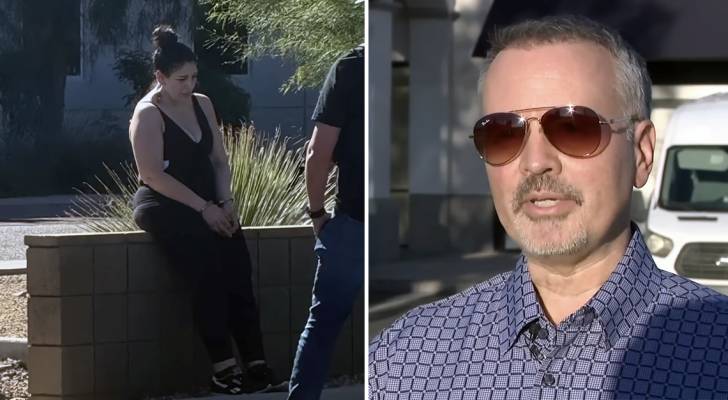
In Scottsdale, Arizona, one homeowner learned that firsthand. The homeowner, who wanted to remain anonymous, told 12News he was blindsided when the Maricopa County Recorder’s Office notified him that the title to his home had been transferred to someone he had never met — a woman named Rachael Cossette (1).
By the time he checked on the property, police said the alleged scammers had already taken the next step: changing the locks.
“It was discovered that the suspect or suspects had actually changed the locks on the victim’s residence and installed a lockbox for potential buyers,” Scottsdale police told 12News.
The homeowner confirmed he was the sole person listed on the deed and that he hadn’t signed or authorized anything. The home was simply sitting vacant while he prepared to list it, which investigators say made it an ideal target.
John Rowan, a real estate investor, said he was told Cossette had inherited the home and needed to sell it quickly.
“That was odd that everything was happening very, very fast,” Rowan told 12News. “So that’s a sign that something’s wrong.”
Rowan never spoke to Cossette directly. Instead, he communicated with a woman who called herself “Jennifer” and claimed Cossette couldn’t talk because of anxiety. As the story shifted, Rowan became more suspicious.
He asked his title representative to double-check the paperwork. The documents turned out to be fraudulent. When Rowan contacted the actual homeowner, he learned there had been no transfer at all.
This is exactly how seller-impersonation scams operate. Fraudsters pull ownership details from public records, list properties through agents, avoid in-person meetings and push for a fast closing to limit scrutiny.
And these schemes are spreading. In 2023, nearly one in three title insurance companies reported a seller impersonation attempt. By early 2024, two in ten said they had already encountered similar scams, according to the American Land Title Association (2).
The FBI also estimates that real estate and rental fraud cost Americans more than $350 million in 2023, a 64% jump from the year before (3).
Trending: Are you richer than you think? Here are 5 clear signs you’re punching way above the average American’s wealth
When Rowan realized the actual homeowner had never signed over the title to Cossette, the two of them immediately contacted Scottsdale police.
On November 6, 2025, Cossette showed up at the title company to finalize the sale, accompanied by a woman who identified herself only as “Jennifer.” Detectives later confirmed her name is Lezile Jennifer Greer. According to police, the plan ended the moment they walked through the door.
“Cossette was supposed to sign the sales contract documents, and Greer accompanied her,” police said. “Cossette and Greer saw detectives at the front lobby and fled through the parking lot.”
The quick getaway attempt did not pan out. Both women were later detained and arrested. Cossette is now facing a felony warrant along with charges including fraud schemes, forgery, presenting a forged instrument and residential mortgage fraud. Greer is facing a felony warrant and fraud schemes charges.
This isn’t an isolated incident. Similar schemes are appearing across the country, and the fallout can be devastating.
In Austin, Texas, a woman named Shannon Pleasant says her late grandmother’s home was sold and even demolished after someone allegedly used a forged deed to transfer ownership. Public records show the property changed hands multiple times before she noticed anything was wrong.
But unlike the Scottsdale case — where police stepped in before the sale closed — Pleasant is still fighting to get the property back. A judge briefly restored the deed to her name, but the developer who now owns the property appealed the decision, and the case is headed for a new trial. The house that had been in her family for generations is already gone.
These cases share the same playbook but even the most convincing scams leave clues. Here’s what real estate experts and title agencies recommend watching for:
-
The seller is pushing to close quickly.
-
They refuse to meet in person or on video.
-
The owner’s mailing address on tax records doesn’t match the property address.
-
They offer a price or terms that seem “too good.”
To protect yourself, verify the seller’s identity through county tax records and contact information listed in official documents, not what appears in the listing. When it comes time to sign paperwork, only use trusted notaries or arrange to close in a title office or attorney’s office, as scammers often try to introduce their own notary to bypass verification. You can also ask property-specific questions a true owner would know and compare signatures on current documents to past deeds in public records.
Seller impersonation scams thrive on speed, distance and silence. If someone is trying to rush, avoid talking or keep everything digital, slow the process down. The fastest way to stop a scam is simply to pause.
Join 200,000+ readers and get Moneywise’s best stories and exclusive interviews first — clear insights curated and delivered weekly. Subscribe now.
We rely only on vetted sources and credible third-party reporting. For details, see our editorial ethics and guidelines.
12 News (1); American Land Title Association (2); FBI (3); SoftPro (4).
This article originally appeared on Moneywise.com under the title: 2 women arrested for trying to sell Scottsdale home they didn’t even own. How the homeowner knew something was ‘wrong’
This article provides information only and should not be construed as advice. It is provided without warranty of any kind.