Nationwide, Santander, Royal Mail and Evri customers given £757 warning
[ad_1]
High street banks and organisations like Royal Mail and Evri targeted and people told ‘watch for small amounts first’

According to a survey, approximately 70% of UK consumers have received a scam message that seemed to originate from a trusted source such as a delivery company, bank or government body. Over half of those targeted (56%) believe the scammers used AI, like fake voices or images, according to the poll conducted by information and insights firm TransUnion.
Around 9% have lost money to scams impersonating brands, with 2% still unsure of how the fraudsters managed it. More than one in 10 of those scammed (11%) lost at least £1,000.
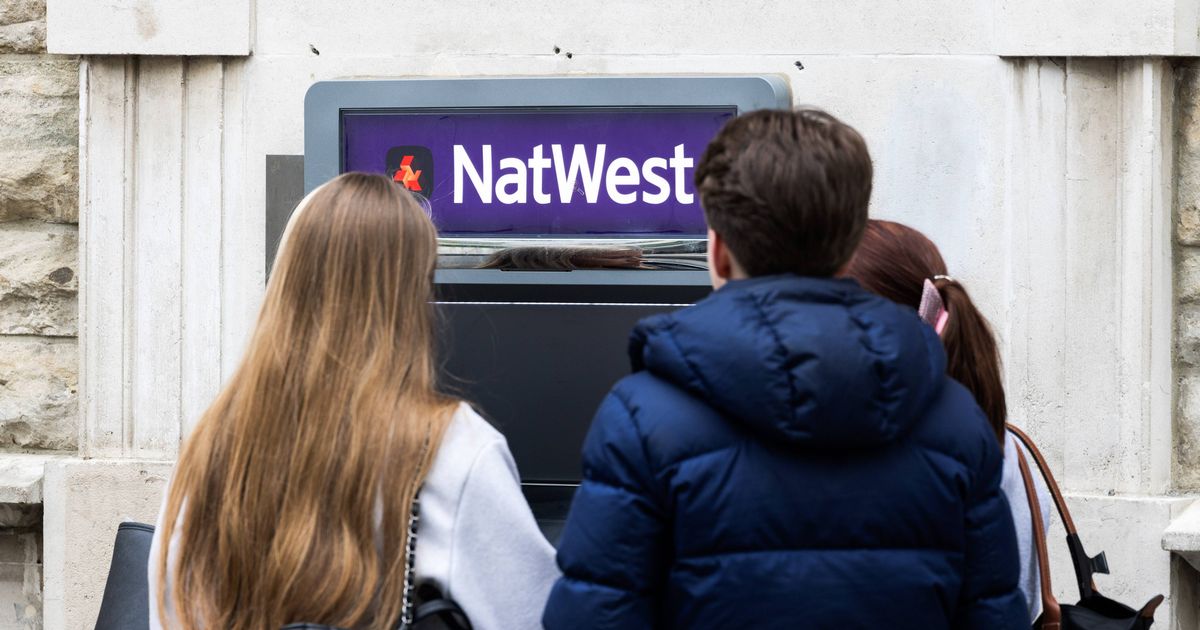
Consumers were targeted by seemingly official communications from banks, including Natwest, Lloyds, Nationwide and Santander, losing an average of £757.64. Younger consumers, particularly those aged 25 to 34 and 18 to 24, appear to be potentially more vulnerable as they may rely more on mobile messaging.
The most impersonated brands in the UK are Royal Mail – with 40% of UK adults reporting receiving a fake message from fraudsters claiming to be from the company – and Evri – with 38% reporting a similar message from the courier. Delivery fraud – where consumers are notified about a non-existent upcoming or missed parcel delivery – remains the most common tactic for fraudsters.
Madhu Kejriwal, chief executive of TransUnion, said: “As fraudsters exploit artificial intelligence, scams are becoming more sophisticated and harder for consumers to spot due to their sheer volume, accuracy and tone.”
“These scams don’t just look real, they feel real. Whether it’s a delivery text arriving just when you’re expecting a parcel, or an email that looks like it’s from your bank, it’s more important than ever that consumers stay vigilant.”
Chad Reimers, general manager of identity and fraud at TransUnion in the UK and Europe, said: “Consumers should be aware that even if a relatively small sum of money has been lost, it may just be the first phase of the fraudster’s objective.
“In some instances, once fraudsters have access to personal details or login credentials, they will look to ‘take over the account’ leading to further financial withdrawals, applying for additional credit lines and in some cases may even coach or coerce witting or unwitting money mules to shift funds quickly through accounts to launder their ill-gotten gains.
“It is, therefore, important that consumers stay vigilant and immediately report suspicious activity, especially in situations where they suspect their details have been compromised, and not just when money has been taken.”
The research emerges as financial technology platform Adyen revealed UK shoppers hit by fraud have lost an average of £757.64 over the past 12 months.
The company stated the UK witnessed a 144% spike in the value of money stolen per shopper in the past year, ranking second only to Canada. Adyen’s research revealed that consumers are concerned about the impact of AI on fraudulent activity, with nearly a third (29%) expressing worry about an increased risk of fraud and scams.
Brigette Korney, global head of risk and fraud prevention at Adyen, commented: “With AI, fraud is a lot harder to detect, because those AI models are able to really replicate what a human would write or say.”
She added: “Social engineering kits now write flawless emails, texts and even clone brand sites. Stolen credentials are fed straight into mobile wallets, bypassing many legacy checks. AI-authored lures such as texts or emails are no longer riddled with spelling mistakes; they read like brand-approved marketing copy and are arriving at industrial scale.”
Korney emphasised the importance of educating shoppers about the potential impact of AI on fraudulent activities, given the varying levels of tech-savviness among customers. The survey was conducted by YouGov for TransUnion in June, involving 2,180 UK adults.
[ad_2]
Source link

