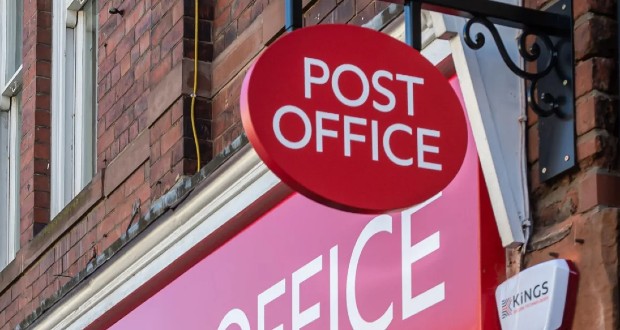
Post Office network shake-up boosts payments to postmasters as area manager role set to be phased out
[ad_1]
The organisation is also looking to move more rural post offices into local shops and to scrap the role of area managers.
Post Office chief executive Neil Brocklehurst delivered an update this week on the progress of the organisation’s five-year Transformation Plan, which began nine months ago.
The aims of the plan include a commitment to “significantly increase” postmasters’ annual income through revenue sharing and strengthening their role in shaping the business.
In a speech to postmasters, Brocklehurst revealed:
- £86m in additional remuneration for postmasters – a 21% increase on last year, marking the highest year-on-year uplift in more than 30 years.
- Branches to receive the largest share of total revenue ever – rising from 46% last year to 57% this year.
This was crucial, he said, given that “branch profitability remains challenging” in the face of increased competition from the likes of Royal Mail parcel shops and PayPoint.
Priorities for the year ahead include improving remuneration for postmasters, with banking and travel products to deliver at least 55% of income and all other products a minimum of 50% from April.
In addition, Brocklehurst said, the Post Office would be delivering a £120m branch modernisation programme over the next four years to “create a network that meets the needs of today’s customers”.
The investment will go towards upgraded self-service kiosks, parcel drop-off solutions, and digital marketing screens “to improve convenience and efficiency”.
It is also moving towards a more self-serve model for postmaster support, while getting rid of area managers.
Brocklehurst said: “Recently, we started a consultation about retiring the area manager role and introducing new account teams. This is a big change, and we know it won’t be easy for everyone, particularly those with close relationships with their area managers.
“The new approach is about making support more purposeful and less reactive. Account management leads will be your main point of contact. Their job is to help you succeed at the operator level, not just deal with day-to-day issues.
“We won’t be visiting branches just for the sake of it. Instead, visits will be planned and focused, like during annual reviews or when there’s a real need.
“The intent will be to help you drive your sales, given this is the single biggest determinant of your remuneration.
“We’re also making digital self-service the default where appropriate. That means you’ll be able to raise queries, track issues, and get updates online or through a support line.”
Brocklehurst said the Post Office would also support postmasters who wanted to grow their business and operate additional branches.
“We want to back great operators to grow and scale,” he said.
“Today, the path to becoming a multi-site operator is often unclear or inconsistent. We want to change that by introducing a more structured framework that makes it easier for strong operators to take on additional branches.”
In rural areas, the Post Office will look to gradually move branches into local shops.
Said Brocklehurst: “We will continue to evolve our rural network by moving to sustainable, retail-hosted, full-hours models as much as possible.
“Rural communities remain a core part of our social purpose, and we are committed to protecting access to essential services.
“But we must also be honest that the economics of the rural network have become increasingly challenging, particularly for standalone branches.
“Co-location with retail partners – whether independent village shops or corporate partners – helps share costs and provides customers with the hours and convenience they expect.”
Read the full speech here
[ad_2]
Source link