
Royal Mail Is Set To Roll Out 3,500 ‘Postboxes Of The Future’ Across The UK Including Manchester
[ad_1]
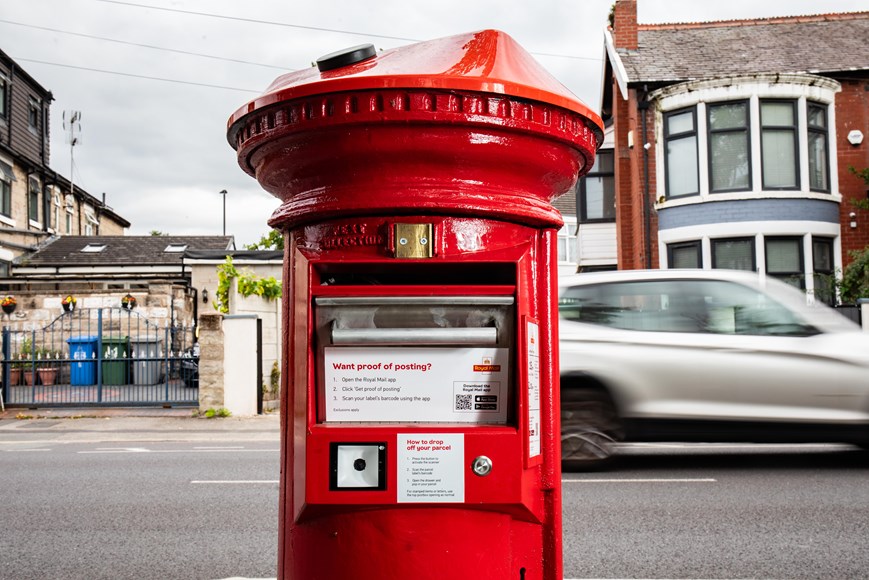
Following a successful trial earlier this year, Royal Mail has now announced that it will be rolling out 3,500 solar-powered ‘postboxes of the future’ across the UK. In an effort to find ways to make sending, returning and collecting parcels more convenient, this reimagining of the Royal Mail‘s iconic red postbox is the biggest redesign in its 175-year history.
How do the solar-powered postboxes differ to the standard postboxes?
The new, solar-powered postboxes will include:
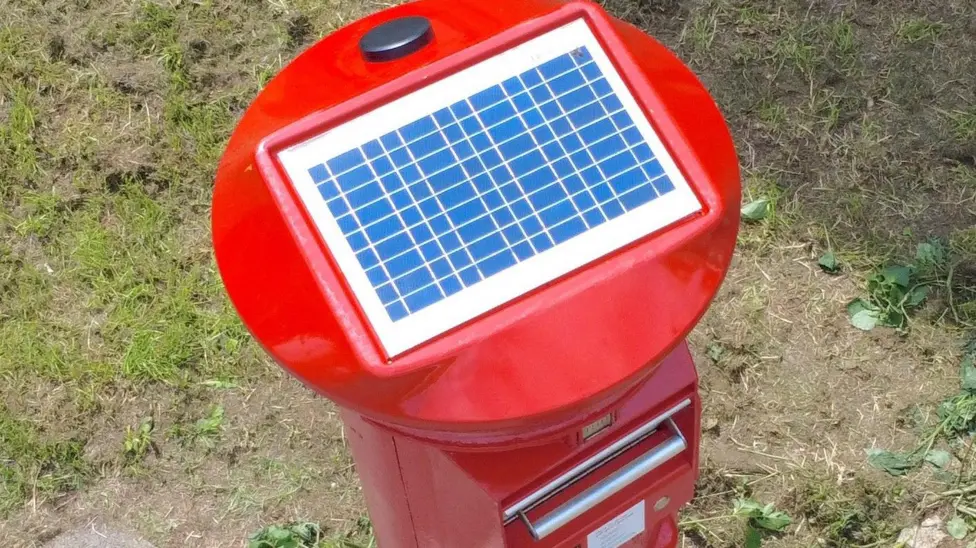
- A barcode scanner which opens a drop-down drawer to place parcels that are larger than those that fit through the traditional postbox slot
- A solar panel, positioned due south for optimal sunlight, to power the scanner and drawer
- A separate slot for letters
What can I send using the solar-powered postboxes?
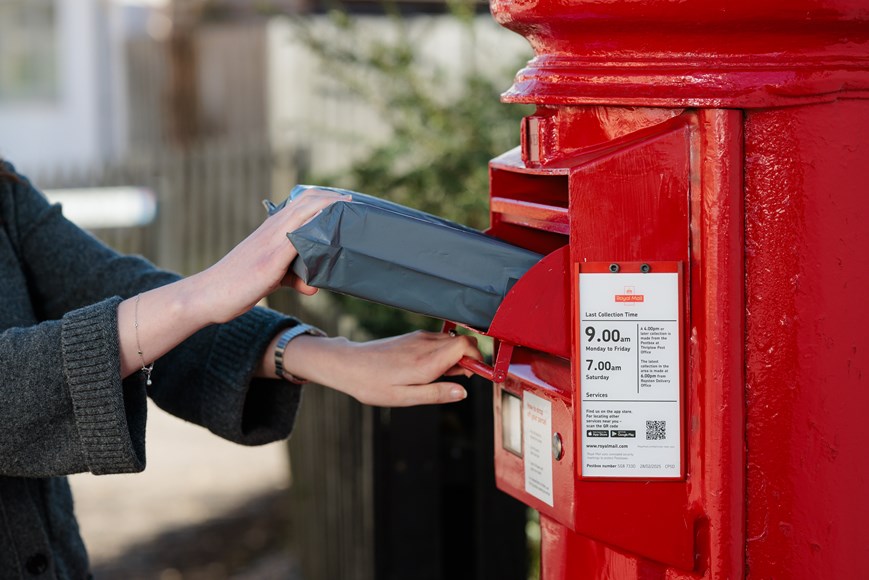
The new design allows customers to send and return labelled parcels – up to the size of a shoebox – through a postbox for the first time. Customers can also request proof of posting, and track their parcel, using the Royal Mail app. This is also available for smaller parcels at any of the UK’s 115,000 postboxes.
Where will the solar-powered postboxes be located?
The postboxes of the future were piloted in Hertfordshire and Cambridgeshire in April and they are now rolling out across England, Scotland, Wales and Northern Ireland, with cities including Edinburgh, Manchester, Nottingham, Sheffield and Sunderland among the first locations.
The history of the postbox
According to the Postal Museum, author Anthony Trollope, who was working as a Surveyor’s Clerk for the Post Office, proposed the introduction of post boxes in Britain in the 1850s. A trial on the Channel Islands was approved and on November 23, 1852, four cast-iron pillar boxes were installed in Jersey. The trial was then extended to Guernsey the following year, and after much success, the first pillar boxes were introduced to Britain in 1853.
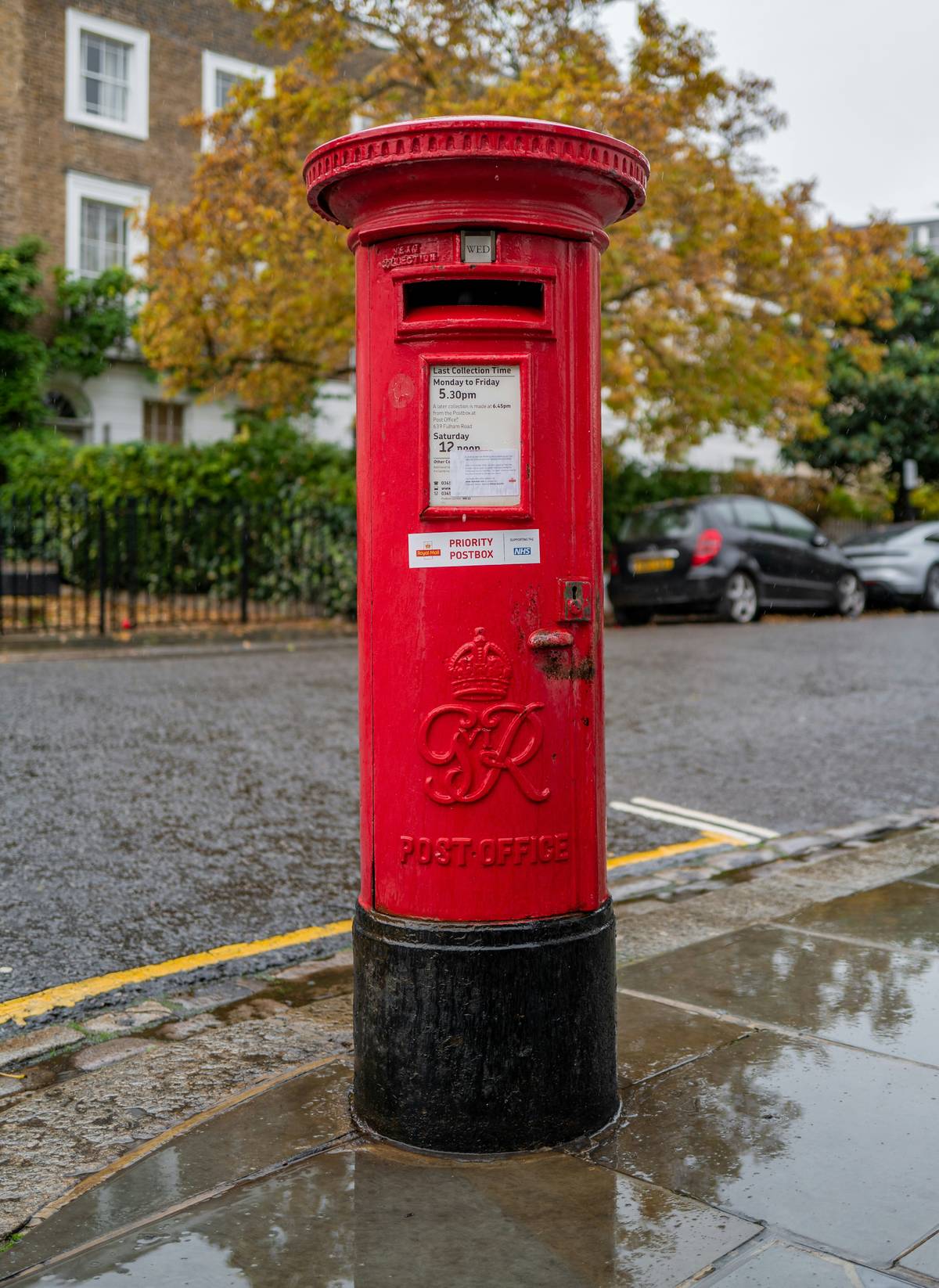
By 1859, all pillar boxes were standardised in two sizes, a larger size for high volume areas and narrower for elsewhere, with a cylindrical shape, painted green. However, after complaints that people had difficulty finding the green letter boxes, they were changed to the iconic red colour and standardised in 1874 – although it took 10 years to complete the re-painting…
There were also some exceptions to the iconic red pillar boxes such as the Liverpool Special, a non-standard pillar box in Liverpool commissioned by the District Surveyor in 1862. Postboxes also existed in other colours such as blue, which were installed to post airmail letters during the 1930s, and some were painted gold in 2012 in the hometowns of Britain’s gold medallists.
More than 23,500 locations where customers can send, return and collect parcels
Royal Mail is aiming to rapidly expand its number of parcel points. On top of home delivery and collection, there are now more than 23,500 locations where customers can send, return and collect parcels, including 2,000 lockers, 7,500 Collect+ stores, 11,500 Post Office branches, 1,200 Royal Mail Customer Service Points and 1,400 parcel postboxes.
Jack Clarkson, Managing Director of Out of Home and Commercial Excellence at Royal Mail, said: “We are all sending and returning more parcels than ever before. This trend will only continue as online shopping shows no signs of slowing, particularly with the boom of second-hand marketplaces. There are 115,000 postboxes in the UK located within half a mile of 98% of addresses, making them by far the most convenient network of parcel drop-off points in the UK. Our message is clear, if you have a Royal Mail label on your parcel, and it fits, put it in a postbox and we’ll do the rest.”
[ad_2]
Source link


