UK retailers face January returns challenge worth more than £1.5 billion
[ad_1]
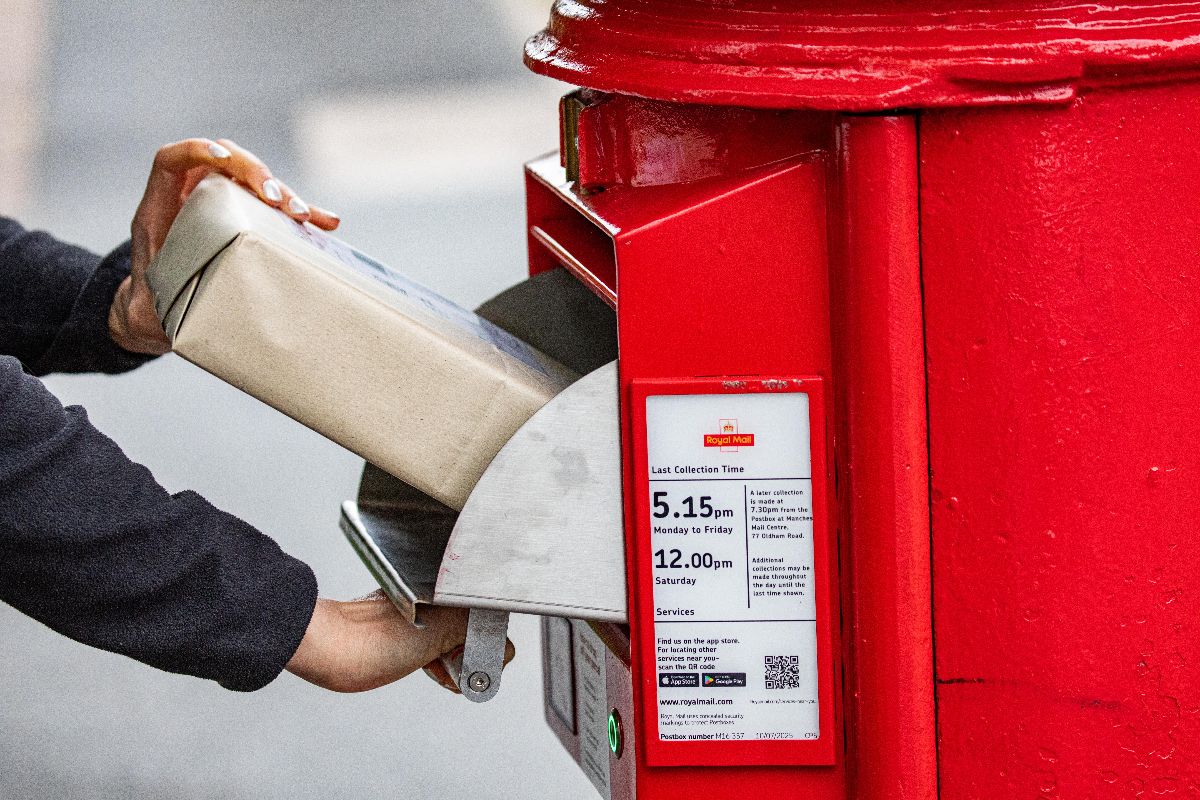
Unwanted Christmas presents with a combined value of more than £1.5 billion are now heading back to retailers – with returns set to spike this week as workers now back at their desks add returning unwanted gifts to their ‘to do’ lists. Royal Mail data shows returns are expected to rise by around 25 per cent this week, with ‘Takeback Tuesday’ set to be the peak day as shoppers send back an expected half a million items bought in the run-up to Christmas.
Home delivery company Parcelhero is also anticipating a spike in returns. “We’re expecting a big increase in shipments in the first full working week of 2026 as everyone gets back to their normal routines,” said David Jinks, M.I.L.T., Parcelhero’s head of consumer research. “Last year, we estimated around £1.51 billion of clothing, electrical goods and toys were sent back to retailers during the peak returns period. With sales values up by around 3% this season, it’s likely that around £1.55 billion of items bought during November and December are now heading back to sellers.”
52 million gifts to be returned
Parcelhero’s data echoes research by Manhattan Associates, which found that UK consumers are expected to send back an estimated 52 million gifts, although their research indicates a slightly lower cost of £1.05 billion to retailers. While their research also suggests that overall return rates have decreased – from 43% to 33% of consumers year-on-year – the total value remains substantial. On average, the value of a returned gift is £57, with clothing and footwear most likely to be returned.
For retailers, whether online, physical or hybrid, the high volume of January returns creates an annual operational and logistical challenge. Many retailers have adapted to the growing problem of returns by introducing charges for returns – but this is not popular with customers. “Retailers are stuck with competing pressures in the wake of the Christmas period,” Lockwood said. “This year, we’re seeing a real clash between consumer expectations, which often lean towards seamless, free, and convenient returns, and the operational realities for businesses, including the cost of processing returns and reintroducing and reselling (previously unwanted) inventory.”
An opportunity as well as a problem for retailers
However, as Lockwood points out, an effective returns process can be an excellent tool for increasing customer loyalty. “The returns cycle remains a critical factor in building long-term trust and loyalty between UK businesses and their customers. This demands systems and processes that can recover value, while maintaining consistent, positive shopping experiences,” he said.
This opportunity is explored in more depth in InternetRetailing’s Returns Report, which delves into the innovative strategies retailers are employing to mitigate the impact of returns on their profitability, customer satisfaction, and the planet. Nonetheless, for UK retailers, the post-Christmas returns spike is a significant challenge – particularly for smaller and less resilient retailers. Parcelhero’s data shows that the total cost for a return for the average marketplace trader can reach up to 66% of the item’s original price – drastically eroding profit margins.
“Niche online companies such as specialist electronic sellers, craft shops and vintage clothing stores, thinking they were riding high on a healthy-looking profit from Black Friday and Christmas sales, suddenly find that, as the returns roll back, they are facing plunging margins and shelves bulging with now unsaleable stock,” said Jinks. “The loss is not just the refund but also includes the costs of processing, labour, inspection and shipping. These costs can add up quickly, particularly for small businesses that don’t have plenty of staff to process returns.”
Although the post-Christmas returns rush is nothing new, the scale this year is a stark reminder of the pressure it brings. While a smooth returns process can win customer loyalty, the cost and complexity of handling millions of unwanted gifts is a real test for businesses, especially smaller ones. With some traders coping with returns rates as high as 60%, according to Parcelhero, this week could be a tough one for retail – and how retailers manage this balancing act in the weeks ahead could shape their margins, not to mention their customer relationships, well into 2026.
Stay informed
Our editor carefully curates two newsletters a week filled with up-to-date news, analysis and research. Click here to subscribe to the FREE newsletter sent straight to your inbox. Why not follow us on LinkedIn to receive the latest updates on our research and analysis?
[ad_2]
Source link